Thoughts About Blue

I recently came across this video about an artisanal cheesemaker who makes only blue cheese.

A few takeaways:

  • They work those curds. They are way more aggressive with them than I am, which makes me kinda laugh at myself for being so precious.
  • In the early stages — they let the curd ferment for several days prior to molding — the curd is positively riddled with holes. It looks like the milk has been wildly contaminated and yet it’s perfectly fine. 
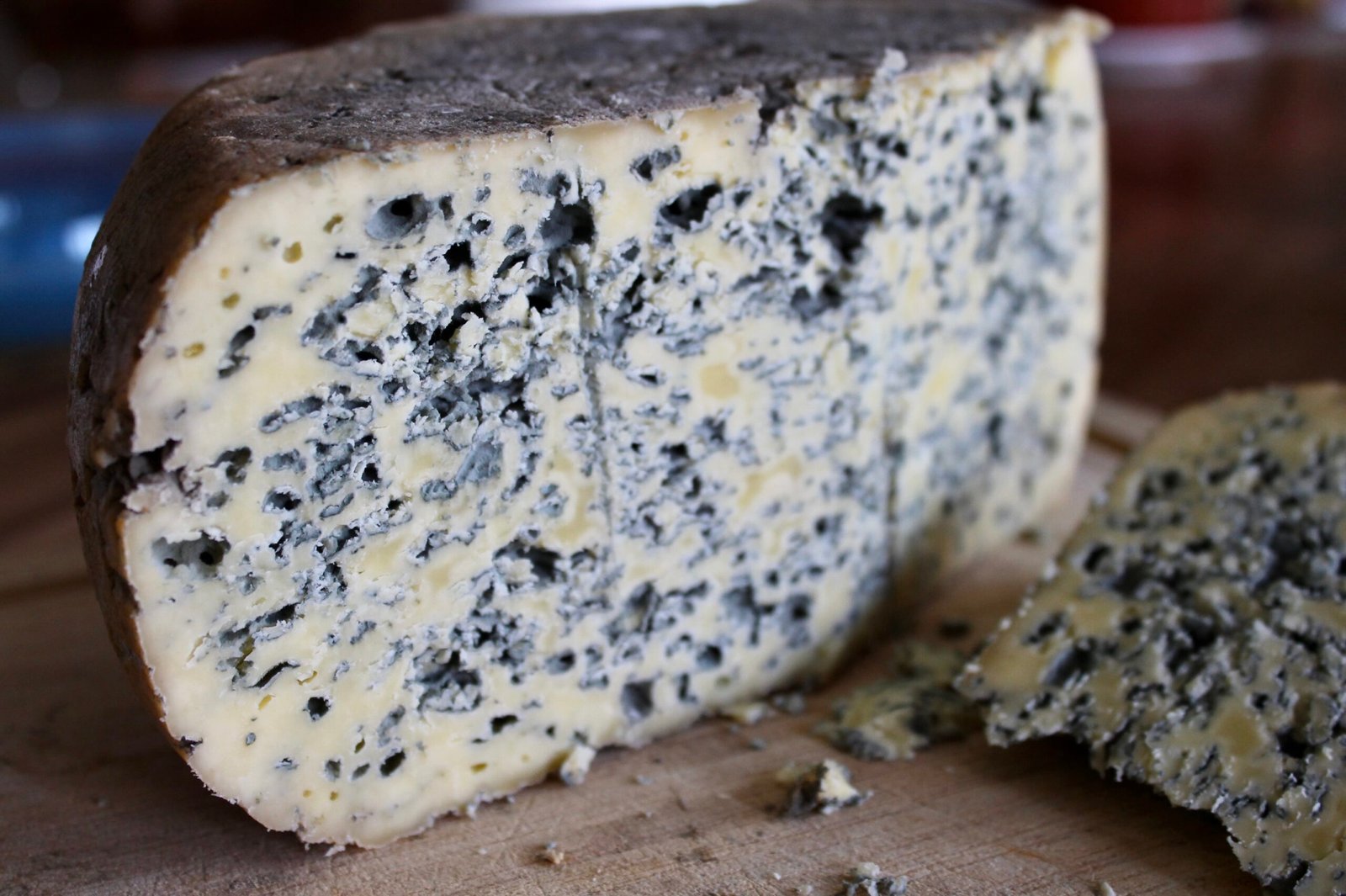
  • They do not innoculate the cheeses with penicillium roqueforti. Whether or not they get blue veining is hit or miss, and they’re okay with that.
  • As the cheeses dry, they develop cracks in the rind and those dried out cracks — what I’ve always considered to be “bad” — are what allow the blue mold to penetrate the cheese.
  • Some of the cheeses get that dangerous white “cat hair” mold on the rind, and the guy didn’t seem at all concerned. I’m not sure how he handled it — maybe just brushed them off? — but now I’m wondering just how dangerous that type of mold, which I’ve never seen firsthand, actually is. Like, if you remove it, is the cheese still fine?
Similar Posts

  • Printable Recipes Are Here!

    It’s been months in the making but finally, FINALLY, I have written recipes available for download! I made (with my brother’s help) a little store over on the Milkslinger website. It’s super basic, but for now it’s a start. Consider this a soft launch. Q&A So, Jennifer. Why the printed recipes?Videos are fabulous for teaching a…

  • Smoked

    When we had a stretch of cool and rainy days last week, I decided I’d better smoke some cheeses before summer hit. The pellet-smoker tube lasted for 4 hours (I used hickory pellets), and I turned the cheeses once partway through: a half Manchego, a half Dragon’s Milk, a wedge of ale cheddar, and two Goudas. The sixty-degree day…

  • Milkslinger Workshop

    A couple weeks ago, my husband and I taught a cheesemaking class for our local Folk School, a non formal “school” which offers classes on all manner of practical subjects. The school is just starting up in our area, and our Introduction to Cheesemaking class was the first one on the docket. We’ve taught a…

  • How To Remove Milkstone

    In Mastering Artisan Cheesemaking, Gianaclis Caldwell hammers home the importance of properly cleaning cheesemaking equipment in order to prevent milkstone, the calcium deposit that will, she warned, eventually build up on your cheesemaking equipment. But I ignored her. Hot water and soap was all I used and it seemed to do the job just fine.  That…

Leave a Reply

Your email address will not be published. Required fields are marked *