No More Camembert?

“Did you hear the NPR report about Camembert?” my younger son said. “The mold that’s used to make it is going extinct.”
“Oh, really?” I said, barely listening since the kid likes to frequently regale me with accounts of what he hears on the news, as well as the plots of various TV series, books, and podcasts. But then this weekend on a walk with a girlfriend, she said, “Did you hear the report about Camembert?” And I was like, Well, shucks. Guess this is an actual thing. I should probably investigate.
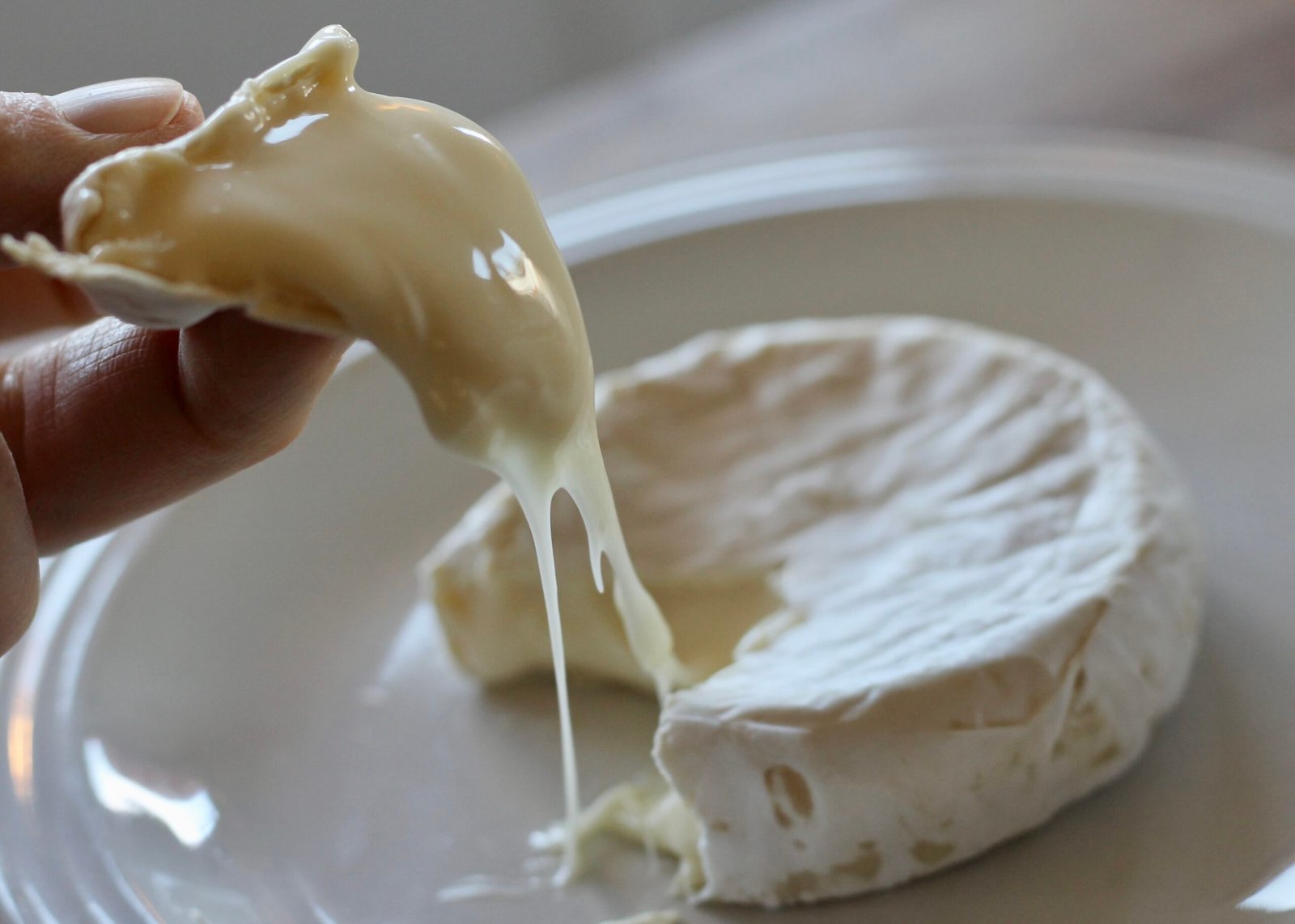
Here’s what I’ve gathered: penicillium candidum (or camemberti) is an albino strand that doesn’t reproduce and can only be cloned. Over time, there have been little changes in the culture which make for big problems, and now it has become increasingly hard to produce.
There are still plenty of molds that will yield a similar Brie or Camembert, but the cheeses might look and taste different, which is a big problem for people who have come to expect their food to be (unnaturally) uniform. Interestingly, one of the most promising solutions to the penicillium candidum problem is to inoculate pasteurized milk with penicillium biforme molds which are found in raw milk, or simply make the cheeses with raw milk to start with. The cheeses will still look different from what we’re accustomed to — the rinds will be less uniformly white, with more browns, reds, and blues — but they should still be delicious.
Here’s some more reading on the topic, if you want to dig deeper:
- Beware: A Cheese Crisis Looms (Vox)
- French Cheese Under Threat (CNRS News)
- It’s Time To Change Our Rind (Culture Cheese Mag — this article is the most scientific)