Are Raw and Pasteurized Milk Equally Nutritious?
A couple weeks ago in a community poll (now under “posts” on my youtube page), I wrote, “Raw and pasteurized milk are equally nutritious.” Out of 200-plus responses, 12% said that statement was true, 73% said it was false, and 15% said they had no idea.

My off-the-cuff impression was that fresh, untreated milk was a little more nutritious – fresh anything just seems like it ought to be healthier – so I thought it’d be pretty easy to find evidence to back up my hunch.
It wasn’t. I wandered all over the internet, and when I didn’t find any clear answers (to my liking), I turned to some of my raw milk-friendly cheesemaking books, and you know what? Not a-one said that raw milk was more nutritious. A lot of the articles were more about how “pasteurized milk is safer” (which is a whole other topic), but as for the nutrition piece? I didn’t find any substantive evidence that raw milk is more nutritious.
HOWEVER. While raw milk might not contain more nutrients, I still feel like it’s healthier – for the environment, for lifestyle, for mental health (though maybe not for the wallet). Keeping things small-scale and hands-on, knowing the farmer and/or caring for the animals that feed us, getting outside and doing – all of these things provide for an active, richer, more meaningful life, I think, and that’s gotta be more “nutritious,” right? (I spelled out some of these benefits in greater detail in the video “4 Surprising Reasons To Have A Family Milk Cow” if you want to dig in deeper.)
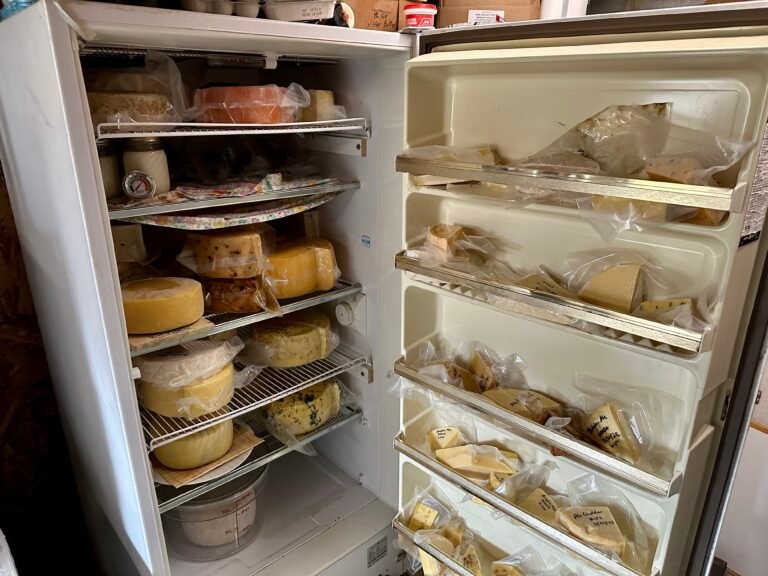
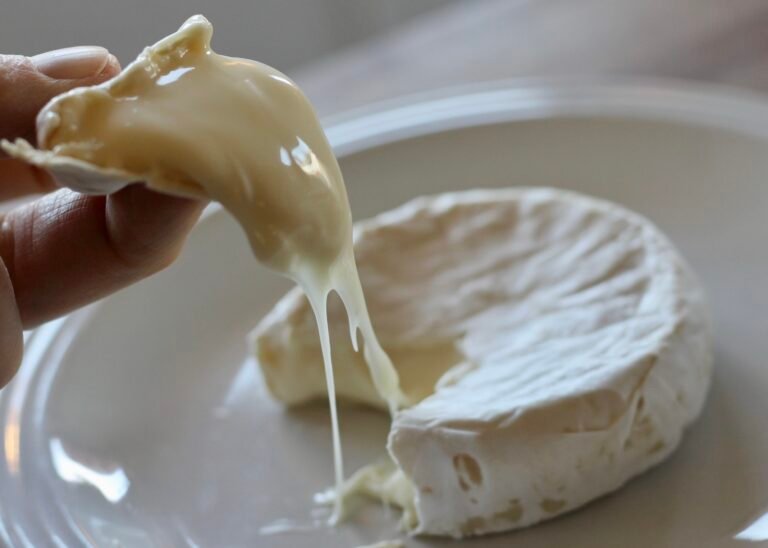
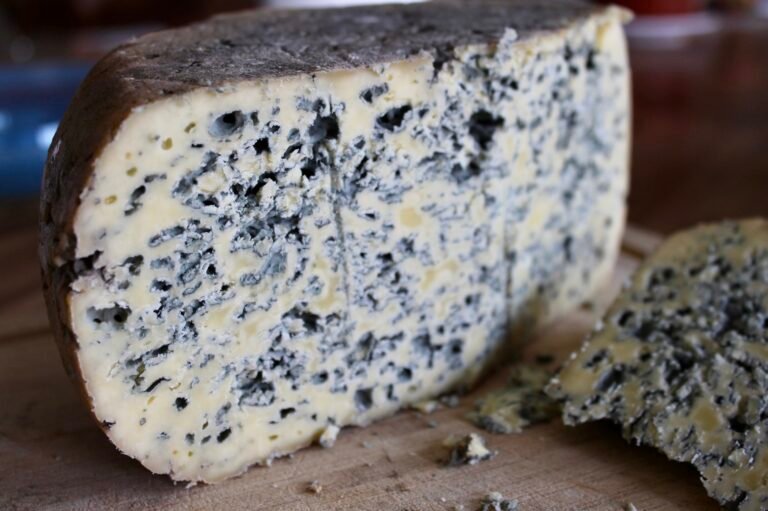
That said, there’s ample evidence that raw milk is better for cheesemaking.
While pasteurization increases the shelf life, and kills foreign bacteria and pathogens, it also weakens the milk, wiping out its lively microbial community and disrupting the mineral balance which causes the milk to have weaker curds (and thus the reason cheesemakers are required to add calcium chloride back into the milk – if they didn’t, it’s quite likely the milk will be unable to set a proper curd).
Raw milk, on the other hand, is more minerally balanced, and it evolves into cheese faster. To me, raw milk just feels stronger. Like, if milks were people, then raw milk is muscular, boisterous, and energetic while pasteurized milk is skinny, shy, and hesitant. If milks were handshakes, then raw milk is firm, with good eye contact, while pasteurized milk is all limp-fish and darting eyes.
Okay, I’ll stop now.
Sources that I – confession – mostly skimmed:
- A Literature Review of the Risks and Benefits of Consuming Raw and Pasteurized Cow’s Milk (John Hopkins)
- Raw Milk: Do Its Benefits Outweigh the Dangers? (Healthline)
- Raw Milk Producers With High Levels of Hygiene and Safety (National Library of Medicine)
P.S. If you find differing information, let me know!